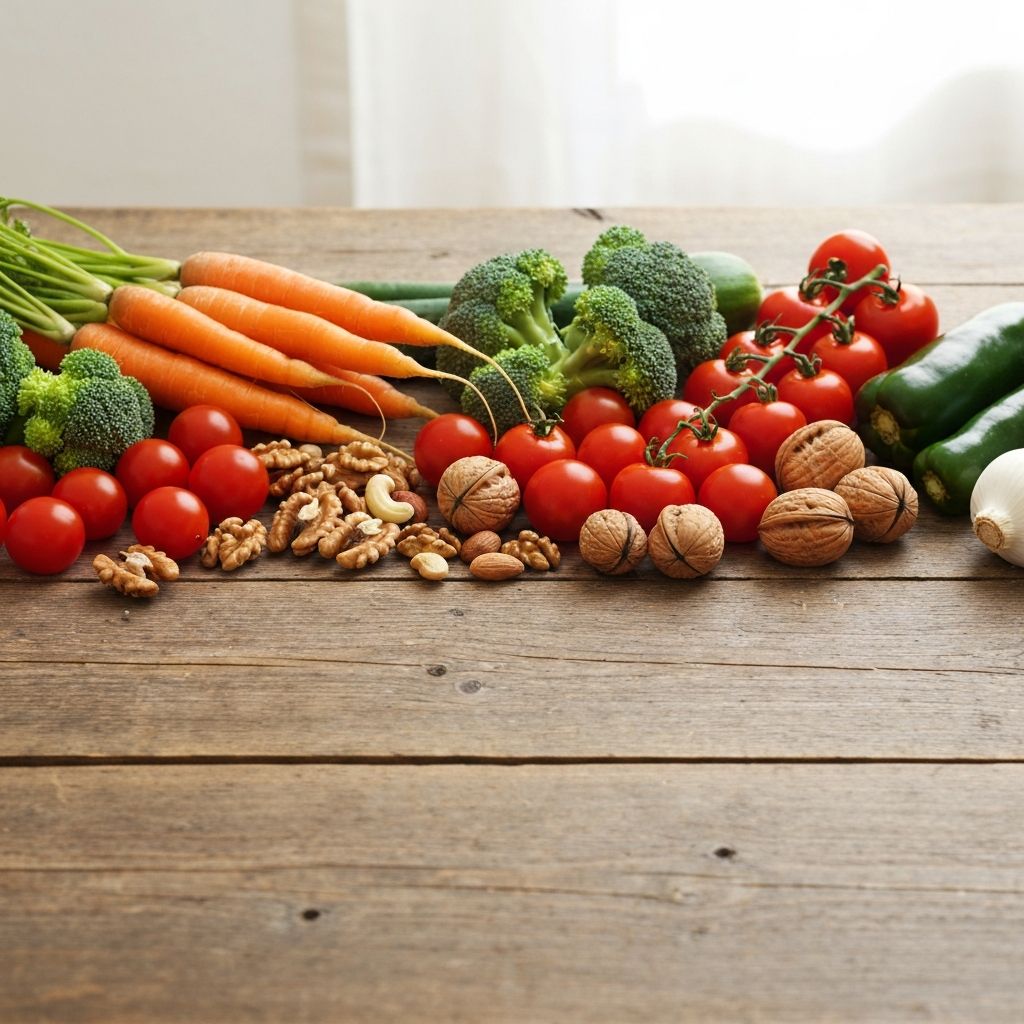
Fresh vegetables and nuts on wooden table

Everyday Nutrients and Vitamins: An Educational Overview

Explore general information about common vitamins and minerals found in everyday foods. This resource provides educational content about nutrition science and natural food sources.

Educational content only. No medical services. No promises of outcomes.
Common Vitamins Overview

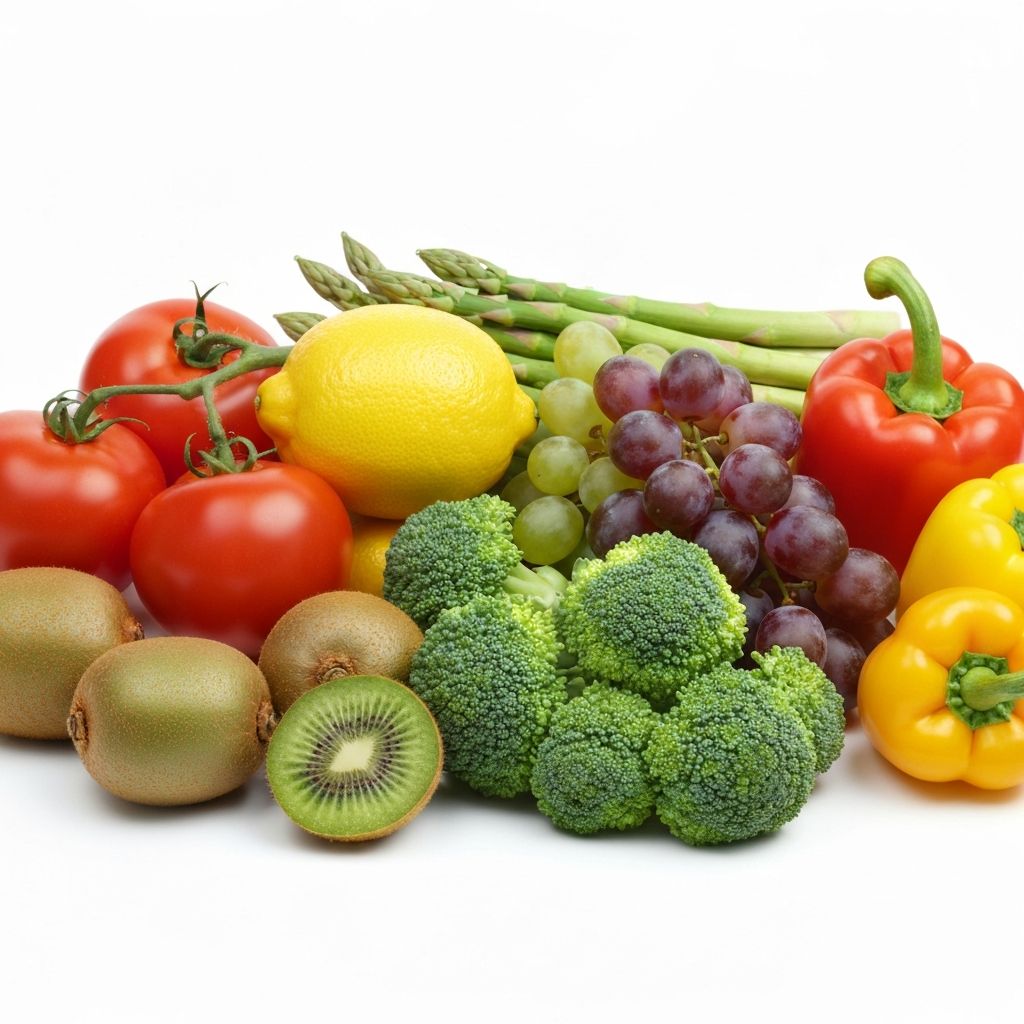
Colorful fruits and vegetables rich in vitamins

Understanding Daily Nutrients

Vitamins and minerals are essential micronutrients that support various biological functions. They are found naturally in a wide variety of foods including fruits, vegetables, whole grains, nuts, and fish.

Common vitamins discussed in nutrition science include vitamin D, vitamin C, B-complex vitamins, vitamin E, and vitamin K. Each plays distinct roles in general physiological processes.

Vitamin D

Commonly found in fatty fish, egg yolks, and fortified dairy products. Also synthesized through sun exposure.

B-Complex Vitamins

Present in whole grains, legumes, leafy greens, nuts, and animal products like meat and dairy.

Vitamin C

Abundant in citrus fruits, berries, peppers, tomatoes, and green vegetables.

Natural Food Sources

Nutrients are best obtained through a varied diet rich in whole foods. Below are examples of common food sources for various vitamins and minerals.

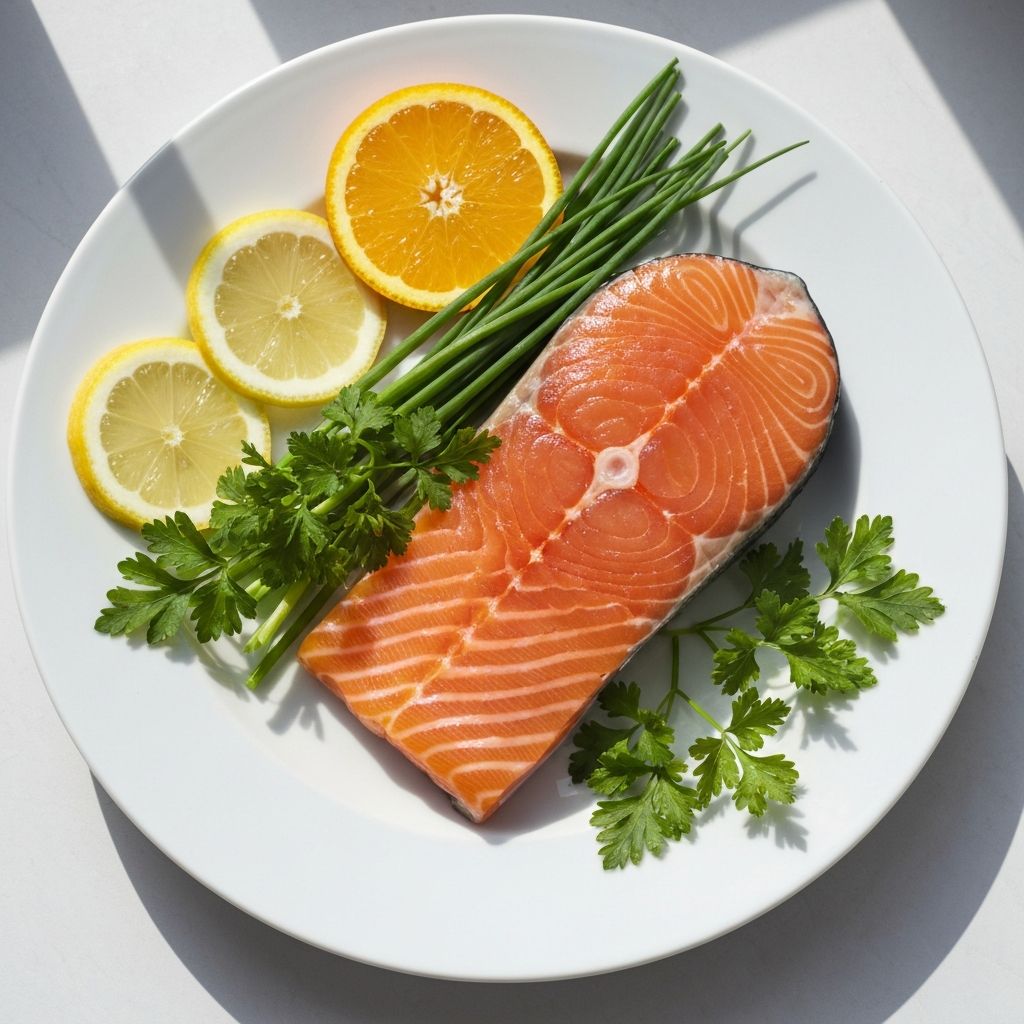
Fresh salmon with leafy greens and citrus

Fish and Seafood

Salmon, mackerel, and sardines are rich sources of omega-3 fatty acids, vitamin D, and selenium. These foods are staples in many traditional diets around the world.

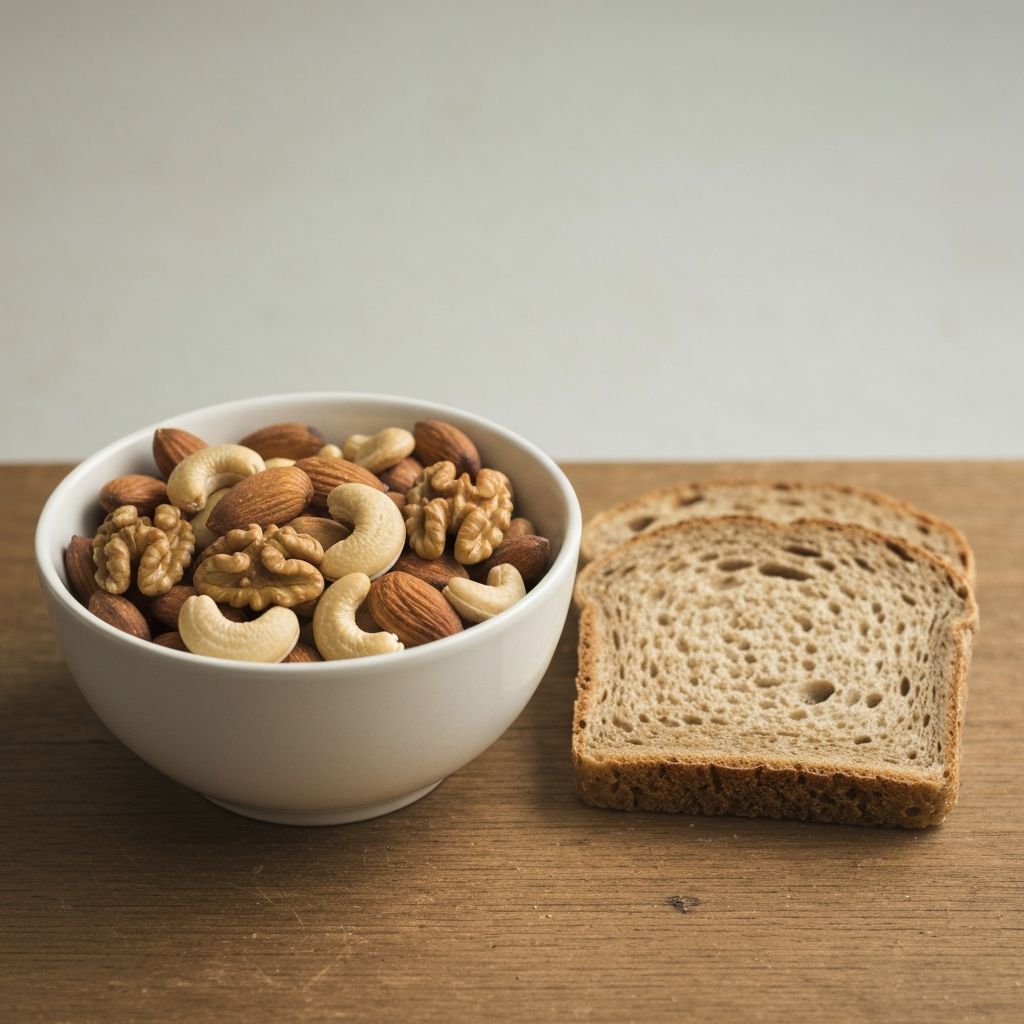
Mixed nuts and whole grain bread

Nuts and Seeds

Almonds, walnuts, sunflower seeds, and pumpkin seeds contain vitamin E, magnesium, zinc, and healthy fats.

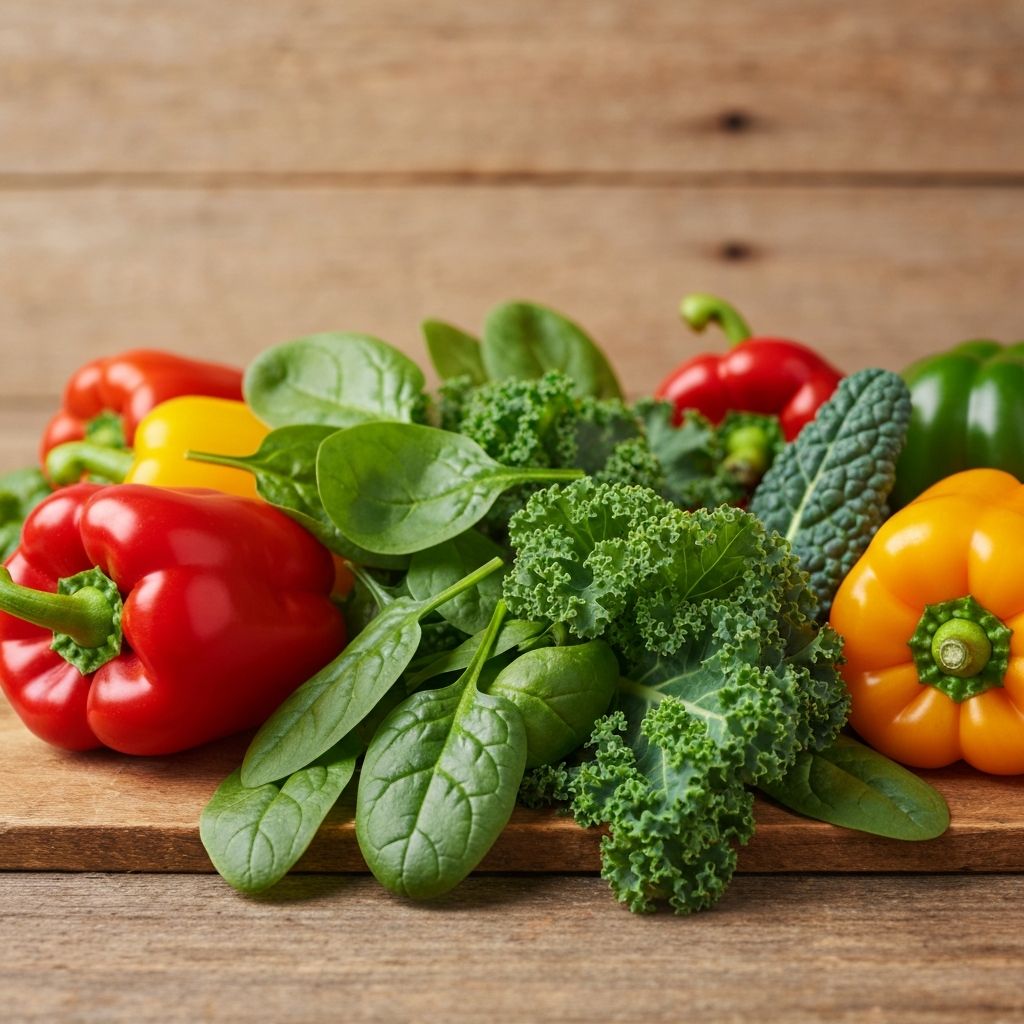
Fresh leafy greens and bell peppers

Leafy Vegetables

Spinach, kale, and other dark leafy greens provide vitamin K, folate, iron, and various antioxidants.

Nutrient Common Food Sources General Role
Vitamin D Fatty fish, egg yolks, fortified milk Supports bone structure and immune function
Vitamin B12 Meat, fish, dairy products, fortified cereals Essential for nerve function and red blood cells
Magnesium Nuts, seeds, whole grains, leafy greens Involved in muscle and nerve function
Zinc Oysters, beef, pumpkin seeds, chickpeas Supports immune function and cell growth
Omega-3 Fatty fish, walnuts, flaxseeds, chia seeds Important for heart and brain health

Daily Role in Wellness

Balanced meal with grilled chicken and vegetables

Balanced Nutrition

A balanced diet that includes a variety of whole foods typically provides adequate amounts of essential vitamins and minerals for most individuals.

Nutrients work synergistically in the body, which is why obtaining them from whole food sources is generally preferred over isolated compounds.

Individual Variation

Nutritional needs vary based on age, lifestyle, activity level, and other individual factors. What constitutes adequate nutrition differs from person to person.

Scientific Context

Nutrition science continues to evolve as researchers explore the complex relationships between diet and health. Understanding these nutrients requires examining both historical knowledge and contemporary research.

Research Evolution

The study of vitamins began in the early 20th century when scientists discovered that certain diseases could be prevented by specific dietary factors. Since then, our understanding has expanded significantly.

Modern nutrition research uses advanced techniques to study how nutrients function at the molecular and cellular levels, though many questions remain open to investigation.

Multiple Perspectives

Different nutritional traditions and dietary patterns exist worldwide, each with their own approach to obtaining essential nutrients.

The Mediterranean diet, Nordic diet, and traditional Asian diets all provide examples of how diverse food combinations can support general nutrition.

Myths vs Facts

Open book with fresh vegetables and fruits

Common Misconceptions

Myth: More vitamins are always better.
Fact: Both deficiency and excess can be problematic. Balance is key in nutrition.

Myth: All nutrients work the same way for everyone.
Fact: Individual responses to nutrients vary based on genetics, lifestyle, and other factors.

Myth: Supplements can replace a healthy diet.
Fact: Whole foods provide complex combinations of nutrients that work together synergistically.

Global Dietary Patterns

Variety of international healthy foods

Regional Nutrition Traditions

Different cultures have developed unique dietary patterns that provide essential nutrients through locally available foods.

In Central Europe, including the Czech Republic, traditional diets have historically emphasized whole grains, root vegetables, fermented foods, and modest amounts of meat and dairy.

Modern Adaptations

Contemporary dietary patterns often blend traditional foods with modern nutritional understanding, creating diverse approaches to meeting nutrient needs.

Historical Perspective

Early Discoveries

The concept of essential nutrients emerged in the late 1800s and early 1900s when scientists like Christiaan Eijkman and Frederick Hopkins discovered that certain substances in food were necessary to prevent diseases.

The term "vitamin" was coined in 1912, combining "vital" and "amine" based on early chemical understanding.

Contemporary Understanding

Today, nutrition science recognizes dozens of essential vitamins and minerals, each with complex roles in human physiology.

Research continues to explore how these nutrients interact with each other and how individual genetic variations may influence nutritional needs.

Important Context and Limitations

Educational Purpose Only: This website provides general information about nutrients and vitamins for educational purposes. It does not offer personalized advice, recommendations, or services.

Not Medical Guidance: The content on this site is not intended to diagnose, treat, or prevent any condition. For personalized nutritional guidance, consult qualified healthcare professionals.

Individual Variation: Nutritional needs vary widely among individuals. What is discussed here represents general information and may not apply to your specific situation.

No Promises or Guarantees: This site makes no claims about outcomes, results, or benefits from any dietary choices or nutrient intake.

Continue Learning

Explore more general information about nutrition science and natural food sources.

Read More About This Resource